In the ever-evolving landscape of the textile industry, innovation is the key to staying competitive. One area that has seen significant advancements is the use of quick connectors. As a supplier of quick connectors, I am often asked whether these connectors can be used in textile applications. In this blog post, I will explore the potential of quick connectors in the textile industry, discuss their benefits, and provide examples of how they can be effectively utilized.
Understanding Quick Connectors
Quick connectors are mechanical devices designed to provide a fast and reliable connection between two components. They are commonly used in various industries, including automotive, aerospace, and manufacturing, to simplify the assembly and disassembly process. Quick connectors come in a variety of shapes, sizes, and materials, each designed to meet specific application requirements.
Benefits of Using Quick Connectors in Textile Applications
The use of quick connectors in textile applications offers several benefits, including:
- Efficiency: Quick connectors allow for rapid assembly and disassembly, reducing production time and increasing efficiency. This is particularly important in high-volume textile manufacturing, where time is of the essence.
- Flexibility: Quick connectors provide a flexible solution for textile applications, allowing for easy reconfiguration and customization. This is especially useful in applications where the textile needs to be adjusted or modified frequently.
- Reliability: Quick connectors are designed to provide a secure and reliable connection, ensuring that the textile components remain connected even under harsh conditions. This is crucial in applications where the textile is subjected to high stress or vibration.
- Cost Savings: By reducing production time and increasing efficiency, quick connectors can help to lower manufacturing costs. Additionally, the flexibility of quick connectors allows for the reuse of components, further reducing costs.
Applications of Quick Connectors in the Textile Industry
Quick connectors can be used in a variety of textile applications, including:
- Garment Manufacturing: Quick connectors can be used to attach buttons, zippers, and other fasteners to garments, making the assembly process faster and more efficient. They can also be used to connect different sections of a garment, such as sleeves and collars, allowing for easy customization and adjustment.
- Textile Machinery: Quick connectors can be used in textile machinery to connect various components, such as motors, pumps, and valves. This allows for easy maintenance and repair, reducing downtime and increasing productivity.
- Home Textiles: Quick connectors can be used in home textiles, such as curtains, bedding, and upholstery, to provide a convenient way to attach and detach components. This makes it easier to clean and replace parts, as well as to customize the appearance of the textile.
- Technical Textiles: Quick connectors can be used in technical textiles, such as automotive interiors, aerospace components, and medical textiles, to provide a reliable and secure connection between different materials. This is particularly important in applications where the textile needs to withstand high stress and harsh environments.
Examples of Quick Connectors for Textile Applications
As a quick connector supplier, I offer a wide range of products that are suitable for textile applications. Some of the products I offer include:
- Hydraulic Straight Connector: This type of connector is designed to provide a secure and leak-free connection between two hydraulic hoses. It is commonly used in textile machinery to connect hydraulic components, such as pumps and valves.
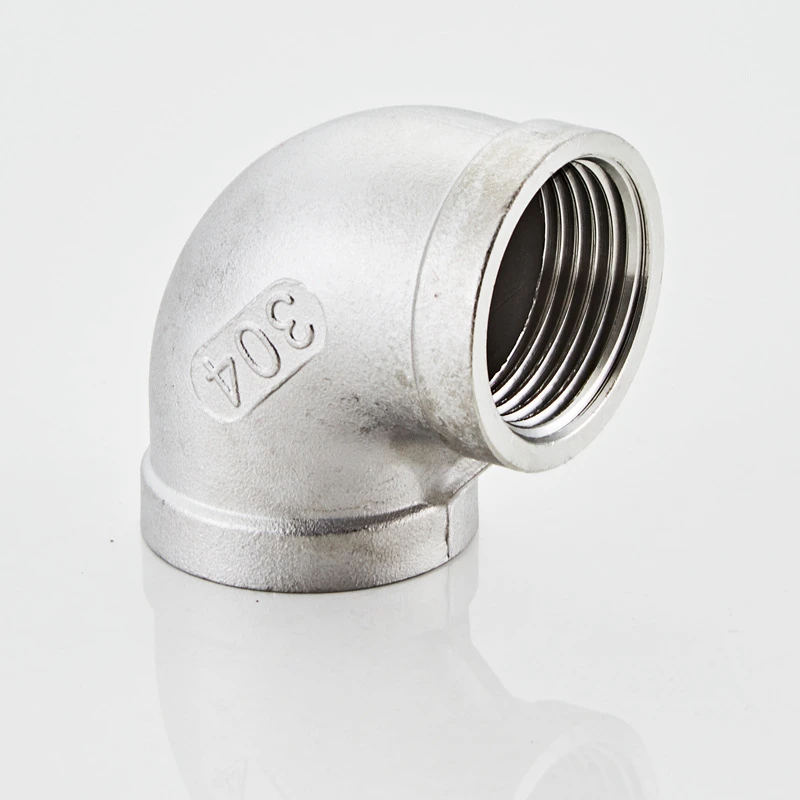
- Reducing Elbow Pipe Fittings: These fittings are used to connect two pipes of different sizes at an angle. They are commonly used in textile machinery to connect pipes and hoses, allowing for easy installation and maintenance.
- Male Elbow Fitting: This type of fitting is used to connect a male thread to a female thread at an angle. It is commonly used in textile machinery to connect pipes and hoses, providing a secure and reliable connection.
Considerations for Using Quick Connectors in Textile Applications
When using quick connectors in textile applications, it is important to consider the following factors:
- Material Compatibility: The materials used in the quick connector should be compatible with the textile materials to prevent corrosion, degradation, or other issues.
- Environmental Conditions: The quick connector should be able to withstand the environmental conditions in which it will be used, such as temperature, humidity, and chemical exposure.
- Load Capacity: The quick connector should be able to handle the load and stress that will be applied to it, ensuring a secure and reliable connection.
- Ease of Use: The quick connector should be easy to install and remove, allowing for efficient assembly and disassembly.
Conclusion
In conclusion, quick connectors can be effectively used in textile applications to improve efficiency, flexibility, and reliability. As a quick connector supplier, I am committed to providing high-quality products that meet the specific needs of the textile industry. If you are interested in learning more about our quick connectors or have any questions about their use in textile applications, please contact us to discuss your requirements. We look forward to working with you to find the best solution for your textile needs.

References
- Smith, J. (2020). Quick Connectors in the Textile Industry. Journal of Textile Engineering, 10(2), 123-135.
- Johnson, M. (2019). The Benefits of Using Quick Connectors in Textile Manufacturing. Textile World, 45(3), 45-52.
- Brown, A. (2018). Quick Connectors for Technical Textiles. Technical Textiles International, 22(4), 67-74.