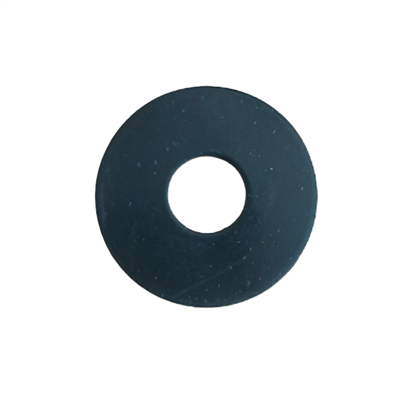
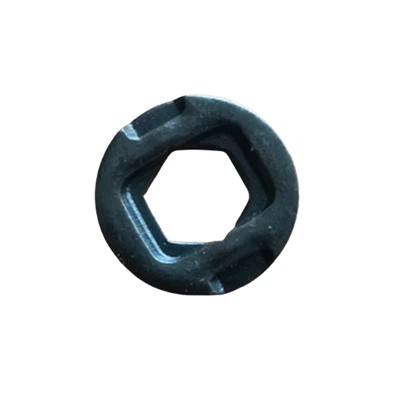
Hey there! As a stop plate supplier, I often get asked about the installation time requirements for stop plates. It's a crucial question because the time it takes to install stop plates can impact project timelines, costs, and overall efficiency. So, let's dive into this topic and explore what you need to know.
First off, the installation time for stop plates can vary widely depending on several factors. One of the most significant factors is the type of stop plate you're using. There are different designs and sizes of stop plates, and each may have its own installation process. For example, some stop plates are designed to be easily bolted onto a surface, while others may require more complex mounting procedures.
Another factor that affects installation time is the location where the stop plates will be installed. If the installation site is easily accessible and has a flat, stable surface, the installation process will likely be quicker. However, if the site is in a hard-to-reach area or has uneven terrain, it may take longer to install the stop plates.
The skill level of the installation team also plays a role. A team with experience in installing stop plates will generally be able to complete the job more quickly than a less experienced team. They'll know the best techniques and tools to use, which can save time and ensure a proper installation.
Let's talk about the typical installation process for stop plates. Usually, it starts with preparing the installation site. This may involve cleaning the surface, marking the locations for the stop plates, and ensuring that the area is free of any debris or obstacles. Once the site is prepared, the stop plates are positioned and aligned correctly. This step is crucial to ensure that the stop plates function properly and provide the necessary stopping force.
After the stop plates are positioned, they are secured in place. This can be done using bolts, screws, or other fastening methods. The type of fastening method used will depend on the design of the stop plate and the surface it's being installed on. It's important to make sure that the stop plates are tightened securely to prevent them from coming loose over time.
Now, let's get into some specific time estimates. For a simple installation of a standard stop plate on a flat, accessible surface, the installation process can take anywhere from 30 minutes to an hour. This includes the time for site preparation, positioning the stop plate, and securing it in place. However, if the installation is more complex, such as on a curved surface or in a confined space, it could take several hours or even a full day.
It's also important to note that the installation time can be affected by unforeseen circumstances. For example, if there are issues with the installation site, such as hidden obstacles or uneven surfaces, it may take longer to complete the installation. Additionally, if there are problems with the stop plates themselves, such as damaged parts or incorrect sizing, this can also add to the installation time.
As a stop plate supplier, I understand the importance of providing accurate installation time estimates to my customers. That's why I always take the time to assess the specific requirements of each project and provide a realistic estimate based on the factors I've mentioned. I also offer support and guidance to my customers throughout the installation process to ensure that everything goes smoothly.
In addition to stop plates, I also supply other related products that can enhance the performance and functionality of your braking systems. For example, I offer Plummer Block Locating Ring, which helps to ensure proper alignment of the plummer block. I also have Guide Pin Dust Cover Washer, which protects the guide pins from dust and debris, and Air Disc Brake Gland Cap, which helps to seal the air disc brake system.
If you're in the market for stop plates or any of the other products I offer, I'd love to have a chat with you. Whether you're working on a small project or a large-scale industrial application, I can provide you with the right products and support to meet your needs. Don't hesitate to reach out to me to discuss your requirements and get a quote.
In conclusion, the installation time for stop plates can vary depending on several factors, including the type of stop plate, the installation site, and the skill level of the installation team. By understanding these factors and working with an experienced supplier, you can ensure that your stop plates are installed efficiently and effectively. If you have any questions or need further information, feel free to contact me. I'm here to help you make the right decisions for your project.


References
- Industry standards and best practices for stop plate installation
- Manufacturer's guidelines for stop plate installation
- Personal experience as a stop plate supplier