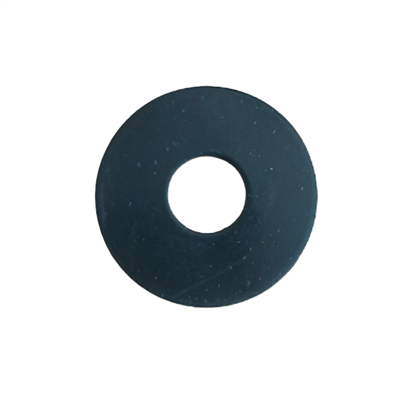
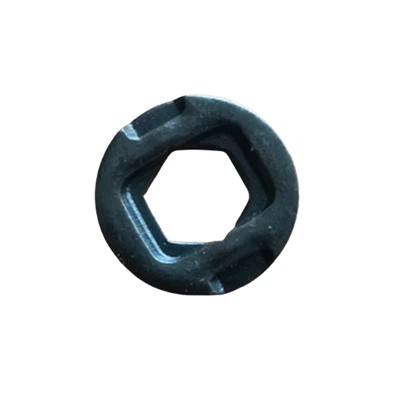
Hey there! I'm a supplier of stop plates, and I've seen all sorts of situations where these little guys come in super handy. Stop plates are crucial for a bunch of applications, from machinery to automotive setups. One of the key things I often get asked about is the installation methods for stop plates on different surfaces. So, let's dive right in and explore the ins and outs of this topic.
Installation on Metal Surfaces
Metal surfaces are probably one of the most common places where stop plates are installed. The good news is that metal provides a solid and stable base for the stop plate.


Welding
One of the most secure ways to install a stop plate on a metal surface is by welding. Welding creates a permanent bond between the stop plate and the metal. It's a great option when you need a high level of strength and durability. However, it does require some skill and the right equipment. You'll need to make sure the metal surface is clean and free of any rust or debris before you start welding. Also, you have to be careful not to overheat the stop plate, as this can affect its properties.
Bolting
Bolting is another popular method for installing stop plates on metal. It's a bit more flexible than welding because it allows for easy removal and replacement if needed. You'll need to drill holes in both the stop plate and the metal surface. Make sure the holes are properly aligned to ensure a snug fit. You can use bolts, nuts, and washers to secure the stop plate in place. For added stability, you might want to consider using Compression Spring Washer. These washers help to prevent the bolts from loosening over time due to vibrations.
Installation on Wood Surfaces
Wood surfaces are a bit different from metal. They're more porous and can be a bit more delicate.
Screwing
Screwing is the most common way to install a stop plate on wood. You'll need to choose the right type of screws for the job. For softer woods, you might want to use fine-threaded screws to prevent the wood from splitting. For harder woods, coarse-threaded screws can provide a better grip. Before you start screwing, it's a good idea to pre-drill holes to make the process easier and to prevent the wood from cracking. You can also use wood glue in addition to the screws for added strength.
Adhesive
Using an adhesive is another option for installing stop plates on wood. There are various types of wood adhesives available, such as epoxy or wood glue. Make sure the wood surface is clean and dry before applying the adhesive. Apply the adhesive evenly to both the stop plate and the wood surface, and then press the stop plate firmly into place. You may need to use clamps to hold the stop plate in place while the adhesive dries.
Installation on Concrete Surfaces
Concrete is a very hard and durable surface, but it also presents some challenges when it comes to installing stop plates.
Anchoring
Anchoring is the go-to method for installing stop plates on concrete. You'll need to use concrete anchors, which come in different types such as expansion anchors or chemical anchors. First, drill holes in the concrete surface using a masonry drill bit. Make sure the holes are the right size for the anchors you're using. Insert the anchors into the holes and then attach the stop plate using bolts or screws. Plummer Block Locating Ring can be useful in ensuring proper alignment during the installation process.
Epoxy Adhesive
Epoxy adhesive can also be used to install stop plates on concrete. It provides a strong bond and can withstand a lot of stress. However, it's important to follow the manufacturer's instructions carefully when using epoxy. Make sure the concrete surface is clean and dry, and apply the epoxy evenly to both the stop plate and the concrete. Press the stop plate firmly into place and allow the epoxy to cure according to the recommended time.
Installation on Plastic Surfaces
Plastic surfaces require a different approach due to their unique properties.
Self-Tapping Screws
Self-tapping screws are a good option for installing stop plates on plastic. They can create their own threads as they're screwed into the plastic, which helps to secure the stop plate in place. However, you need to be careful not to overtighten the screws, as this can cause the plastic to crack. You might also want to use washers to distribute the pressure evenly and prevent the plastic from being damaged.
Adhesive
There are special adhesives designed for bonding to plastic surfaces. These adhesives can provide a strong and reliable bond. Before applying the adhesive, make sure the plastic surface is clean and free of any grease or dirt. Apply the adhesive according to the manufacturer's instructions and press the stop plate firmly into place.
Considerations for Different Environments
When installing stop plates, it's important to consider the environment in which they'll be used. For example, if the stop plate will be exposed to moisture or chemicals, you'll need to choose a material and installation method that can withstand these conditions. Stainless steel stop plates are a good choice for environments where corrosion is a concern.
Also, if the stop plate will be subject to a lot of vibrations, you'll need to make sure the installation is secure enough to prevent it from coming loose. Using Air Disc Brake Pressure Plate in some applications can help to absorb vibrations and keep the stop plate in place.
Conclusion
As you can see, there are different installation methods for stop plates on various surfaces. The key is to choose the right method based on the surface material, the environment, and the specific requirements of your application. Whether you're working with metal, wood, concrete, or plastic, there's a way to install a stop plate securely.
If you're in the market for high-quality stop plates or need more advice on installation methods, don't hesitate to reach out. We're here to help you find the perfect solution for your needs.
References
- General knowledge of stop plate installation techniques from years of experience in the industry.
- Manufacturer's guidelines for stop plates and related products.