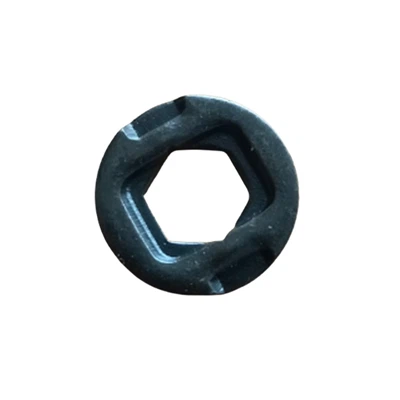
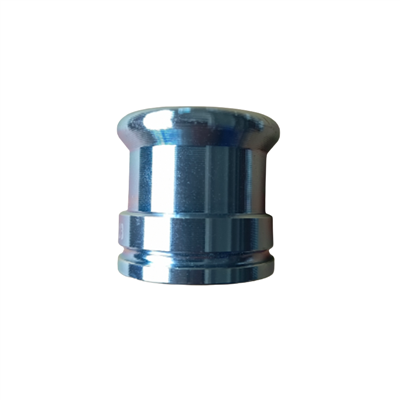
Can anti - friction washers be used in marine applications?
As a dedicated supplier of anti - friction washers, I am often asked about the applicability of our products in various industries, and one of the most frequently inquired sectors is the marine industry. In this blog post, I'll delve into the viability of using anti - friction washers in marine applications, exploring the properties of these washers, the challenges posed by the marine environment, and the benefits that they can bring to marine equipment.
Understanding Anti - Friction Washers
Anti - friction washers are mechanical devices designed to reduce friction between two moving or contacting surfaces. They are typically made from materials such as polymers, composites, or metals with low - friction characteristics. These materials are carefully selected for their ability to withstand wear and tear while minimizing the energy loss due to friction.
The main function of anti - friction washers is to distribute the load evenly across the contact area, which helps in reducing stress on the individual components. This not only extends the lifespan of the machinery but also enhances its overall performance. For example, in a rotating shaft system, an anti - friction washer can ensure smoother rotation and reduce the chances of premature failure caused by excessive friction and heat generation.
Challenges in Marine Applications
The marine environment is notoriously harsh and presents several challenges for any equipment deployed at sea. Firstly, there is the issue of corrosion. Saltwater is highly corrosive, and over time, it can damage most metals and degrade many polymers. This means that any component used in a marine setting needs to have high corrosion resistance to ensure long - term functionality.
Secondly, marine equipment is often subjected to high levels of vibration and shock. Waves, engine vibrations, and the movement of the vessel itself can cause significant stress on different parts of the machinery. Components need to be able to withstand these dynamic forces without failing or losing their effectiveness.
In addition, the temperature and humidity conditions at sea can vary widely. Extreme heat, cold, and high humidity can all affect the performance of the materials used in equipment. Materials need to be able to maintain their mechanical properties across a wide range of environmental conditions.
Suitability of Anti - Friction Washers for Marine Applications
Despite the challenges, anti - friction washers can be effectively used in marine applications, provided they are carefully selected and designed.
Corrosion Resistance
Many anti - friction washers are now made from materials with excellent corrosion resistance. For example, certain polymers like PTFE (Polytetrafluoroethylene) are highly resistant to saltwater corrosion. These polymers can be used to coat washers or form the entire washer structure. Stainless steel is another popular choice for marine applications, as it has a natural resistance to corrosion. When used in combination with appropriate surface treatments, stainless steel washers can withstand long - term exposure to a marine environment.
Vibration and Shock Resistance
To withstand the high levels of vibration and shock in marine applications, anti - friction washers can be designed with features that enhance their stability. For instance, some washers have a serrated surface design, which helps to prevent the washer from slipping or moving out of place under dynamic loads. Additionally, the material properties can be adjusted to provide better shock absorption. Rubber - like polymers or composite materials can be used to create washers that can absorb some of the energy from vibrations and shocks.
Temperature and Humidity Tolerance
Advanced anti - friction washer materials are engineered to perform well in a wide range of temperature and humidity conditions. For example, some high - performance polymers can maintain their low - friction properties from extremely cold to very hot temperatures. These materials are also resistant to moisture absorption, which means they won't swell or lose their mechanical properties in high - humidity environments.
Applications of Anti - Friction Washers in the Marine Industry
Anti - friction washers can be used in many different parts of marine equipment.
Engine Systems
In marine engines, anti - friction washers can be found in the crankshaft, camshaft, and valve train assemblies. They help to reduce friction and wear between moving parts, which improves engine efficiency and reduces maintenance requirements. For example, in a piston - cylinder arrangement, an anti - friction washer between the piston rod and the connecting rod can reduce the friction during the reciprocating motion of the piston, leading to smoother operation and less energy loss.

Steering and Control Systems
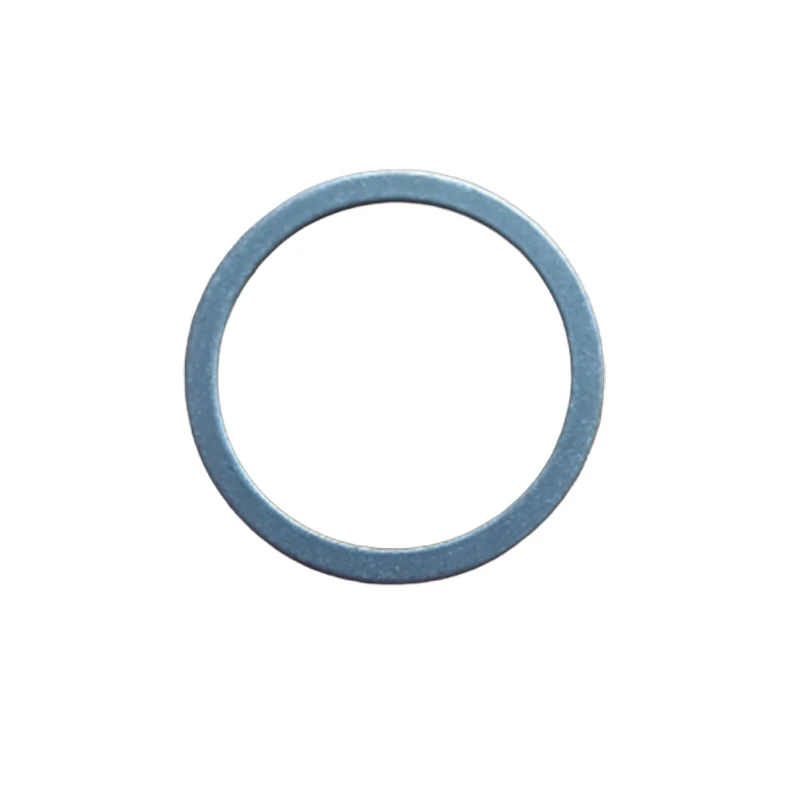
Steering and control systems on boats and ships rely on precise movement and minimal friction. Anti - friction washers are used in these systems to ensure smooth operation of components such as steering gears, linkages, and control valves. For example, a washer can be used at the pivot point of a steering mechanism to reduce friction and allow for easy turning of the steering wheel.
Deck Equipment
On the deck, anti - friction washers are used in various equipment such as winches, capstans, and davits. These devices involve high - load operations and require smooth movement. The washers help in reducing the friction between ropes, pulleys, and other components, which extends the life of the equipment and reduces the effort required to operate them.
Related Products and Their Significance
In addition to anti - friction washers, there are other related products that can be used in conjunction to enhance the performance of marine equipment. The Stop Plate is a crucial component in pneumatic disc brakes. It provides a stable surface for the braking mechanism, ensuring reliable stopping power. The Guide Pin Dust Cover Washer helps to protect guide pins from dust, dirt, and moisture in the marine environment, which is essential for the proper functioning of the brakes. The Air Disc Brake Bottom Cover further protects the brake components from water and debris, increasing the longevity of the braking system.
Conclusion
In conclusion, anti - friction washers can indeed be used in marine applications with great success. With the right selection of materials and appropriate design features, they can overcome the challenges presented by the harsh marine environment and provide significant benefits to marine equipment. Whether it's improving engine efficiency, enhancing steering control, or extending the life of deck equipment, anti - friction washers play a vital role.
If you are involved in the marine industry and are looking for high - quality anti - friction washers or related products, I encourage you to reach out for more information. We can discuss your specific needs and provide customized solutions that meet the demands of your marine applications. Contact us to start the conversation and explore how our products can optimize your equipment's performance.
References
- "Marine Engineering Handbook", John Wiley & Sons
- "Materials Science for Marine Applications", Cambridge University Press
- Technical documentation from anti - friction washer manufacturers