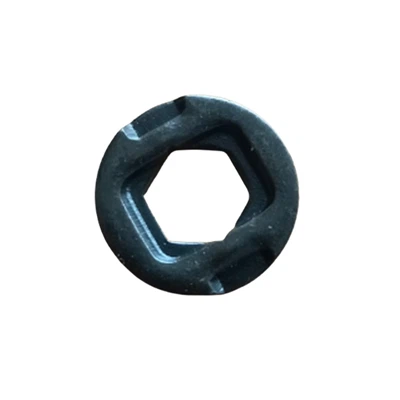
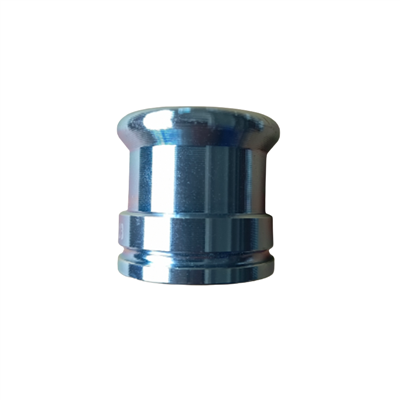
Friction is an inevitable phenomenon in mechanical systems, often leading to wear and tear on mating surfaces. Anti-friction washers play a crucial role in mitigating these effects, and as a supplier of Anti-friction Washer, I am well - versed in their impact on the wear rate of mating surfaces.
The Basics of Anti - friction Washers
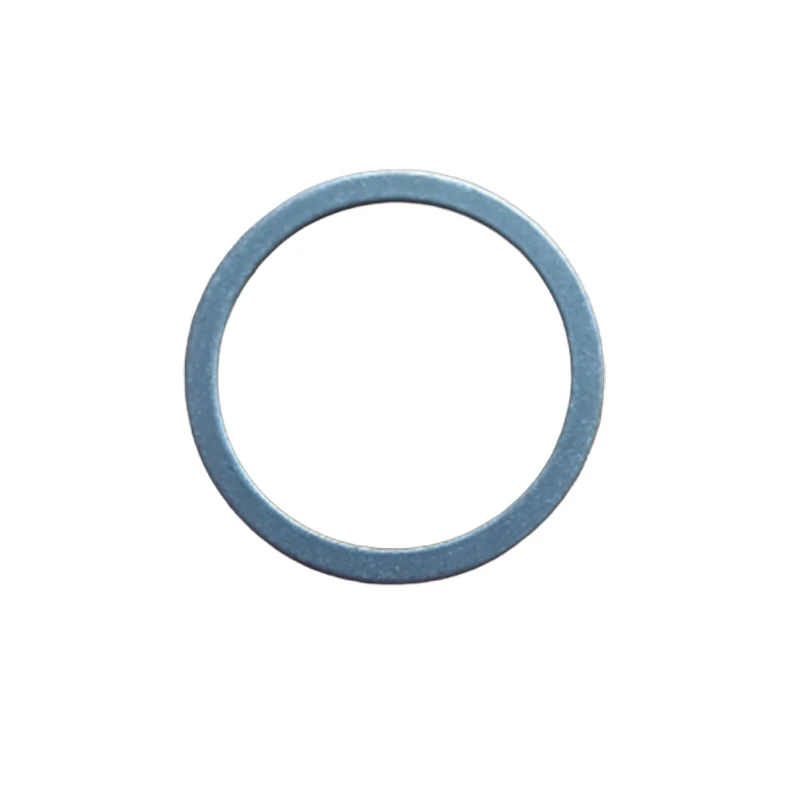
Anti-friction washers are designed to reduce the frictional forces between two mating surfaces. They are typically made from materials with low coefficients of friction, such as PTFE (polytetrafluoroethylene), bronze, or certain high - performance plastics. These materials help to create a smooth interface between the surfaces, minimizing the resistance encountered during relative motion.
The working principle of anti - friction washers is based on the concept of separating the mating surfaces. By inserting an anti - friction washer between two parts, direct metal - to - metal contact is avoided. This separation reduces the shear stress and abrasion that would otherwise occur, thus decreasing the wear rate. For example, in a bolted joint, an anti - friction washer can prevent the nut and the surface it is tightened against from rubbing directly, which could lead to galling and surface damage over time.
Factors Affecting the Wear Rate with Anti - friction Washers
Material of the Washer
The material of the anti - friction washer has a significant impact on the wear rate. PTFE, for instance, is known for its extremely low coefficient of friction. It forms a slippery film between the mating surfaces, which reduces the frictional forces and, consequently, the wear. However, PTFE may have relatively low mechanical strength, and in high - load applications, it might deform or wear out more quickly.
Bronze anti - friction washers, on the other hand, offer good wear resistance and can withstand higher loads. They have a self - lubricating property due to the presence of graphite in the bronze matrix. This self - lubrication helps to maintain a low friction coefficient and reduces the wear of the mating surfaces. High - performance plastics are also used, which can be engineered to have specific properties such as high temperature resistance and chemical resistance, further influencing the wear rate.
Load and Pressure
The load applied to the mating surfaces is a critical factor. Higher loads increase the pressure between the surfaces, which can lead to greater frictional forces and wear. Anti - friction washers help to distribute the load more evenly across the contact area. For example, in a bearing application, an anti - friction washer can prevent concentrated stress points, reducing the likelihood of surface fatigue and wear.
However, if the load exceeds the capacity of the anti - friction washer, it may not be able to effectively reduce the wear rate. In such cases, the washer may deform or break down, leading to increased friction and wear. Therefore, it is essential to select the appropriate anti - friction washer based on the expected load and pressure in the application.

Surface Finish
The surface finish of the mating surfaces also affects the wear rate. Rough surfaces have more asperities, which can interlock and cause higher frictional forces. Anti - friction washers can help to smooth out these irregularities. When a washer with a smooth surface is inserted between two rough mating surfaces, it reduces the contact area between the asperities, thereby decreasing the frictional resistance and wear.
For example, in a sliding mechanism, a smooth anti - friction washer can prevent the rough edges of the mating parts from scraping against each other, reducing the wear of both the washer and the mating surfaces.
Lubrication
Lubrication is another important factor. Anti - friction washers can work in conjunction with lubricants to further reduce the wear rate. Lubricants fill the gaps between the mating surfaces and the washer, creating a fluid film that reduces direct contact. This fluid film helps to carry the load and reduces the frictional forces.
Some anti - friction washers are designed to be used with specific lubricants. For example, bronze washers can be impregnated with oil, which provides continuous lubrication during operation. In applications where lubrication is difficult to maintain, such as in high - temperature or dusty environments, anti - friction washers with self - lubricating properties become even more important.
Case Studies
Automotive Industry
In the automotive industry, anti - friction washers are widely used in various components. For example, in the engine, they are used in valve train systems to reduce the wear between the camshaft and the valve lifters. The high - speed and high - load operation in an engine can cause significant wear on these mating surfaces. By using anti - friction washers, the frictional forces are reduced, and the wear rate is decreased, leading to longer component life and improved engine performance.
In the suspension system, anti - friction washers are used between the control arms and the bushings. This helps to reduce the friction and wear during the up - and - down movement of the suspension, providing a smoother ride and reducing maintenance requirements.
Industrial Machinery
In industrial machinery, such as conveyor systems and machine tools, anti - friction washers are essential for reducing wear. In a conveyor system, the rollers and the bearings often experience high loads and continuous motion. Anti - friction washers can be used to reduce the friction between the roller shafts and the bearing housings, preventing premature wear and failure.
In machine tools, anti - friction washers are used in the spindle and feed mechanisms. They help to maintain the accuracy of the machine by reducing the wear on the mating surfaces, ensuring smooth operation and precise machining.
Comparison with Other Components
Guide Pin Dust Cover Washer
Guide pin dust cover washers are mainly used to protect the guide pins from dust and debris. While they do not directly reduce friction in the same way as anti - friction washers, they can indirectly affect the wear rate. By preventing dust and debris from entering the mating surfaces, they reduce the abrasive wear that can occur due to the presence of foreign particles.
However, anti - friction washers focus more on reducing the frictional forces between the mating surfaces. In applications where both dust protection and friction reduction are required, a combination of guide pin dust cover washers and anti - friction washers can be used.
Plummer Block Locating Ring
Plummer block locating rings are used to position and secure the bearings in the plummer block. Their main function is to ensure proper alignment of the bearings. While proper alignment is important for reducing wear, anti - friction washers have a more direct impact on reducing friction and wear between the mating surfaces.
In some cases, a plummer block locating ring can work in conjunction with an anti - friction washer. For example, in a high - speed rotating shaft application, the locating ring ensures the correct position of the bearing, and the anti - friction washer reduces the friction between the bearing and the shaft, providing overall better performance and reduced wear.
Conclusion
Anti - friction washers have a profound impact on the wear rate of mating surfaces. By reducing frictional forces, distributing loads evenly, and working in combination with other factors such as surface finish and lubrication, they can significantly extend the life of mechanical components.
As a supplier of anti - friction washers, I understand the importance of providing high - quality products that meet the specific needs of different applications. Whether it is the automotive industry, industrial machinery, or other sectors, the right anti - friction washer can make a big difference in reducing wear and improving performance.
If you are looking for anti - friction washers for your application, or if you have any questions about how they can affect the wear rate of your mating surfaces, please feel free to contact us for a detailed discussion and to explore the best solutions for your needs.
References
- Bowden, F. P., & Tabor, D. (1950). Friction and Lubrication of Solids. Oxford University Press.
- Bhushan, B. (2013). Tribology and Mechanics of Magnetic Storage Devices. Springer Science & Business Media.
- Rabinowicz, E. (1995). Friction and Wear of Materials. Wiley - Interscience.