Adjusting the release time of a pneumatic disc brake is a crucial task that can significantly impact the performance, safety, and efficiency of your braking system. As a pneumatic disc brake supplier, I've seen firsthand how proper adjustment can make all the difference. In this blog, I'll share some practical tips on how to adjust the release time of a pneumatic disc brake.
Understanding Pneumatic Disc Brakes
Before we dive into the adjustment process, let's quickly go over what a pneumatic disc brake is. A pneumatic disc brake uses compressed air to generate the force needed to stop or slow down a rotating shaft. It consists of several key components, including the brake caliper, brake pads, and a pneumatic actuator.


The release time of a pneumatic disc brake refers to the time it takes for the brake to disengage after the air pressure is released. A proper release time ensures that the brake doesn't drag when it's not supposed to, which can lead to unnecessary wear and tear on the brake pads and the disc.
Factors Affecting Release Time
Several factors can affect the release time of a pneumatic disc brake. Here are some of the most common ones:
- Air Pressure: The air pressure in the system plays a significant role in the release time. If the air pressure is too high, the brake may take longer to release. On the other hand, if the air pressure is too low, the brake may not engage properly.
- Brake Pad Wear: Worn brake pads can also affect the release time. As the brake pads wear down, the clearance between the pads and the disc increases, which can cause the brake to take longer to release.
- Mechanical Issues: Any mechanical issues, such as a stuck caliper or a damaged actuator, can also affect the release time.
Steps to Adjust the Release Time
Now that we understand the factors that can affect the release time, let's go over the steps to adjust it.
Step 1: Check the Air Pressure
The first step is to check the air pressure in the system. You can use a pressure gauge to measure the air pressure at the brake actuator. Make sure the air pressure is within the recommended range specified by the manufacturer. If the air pressure is too high or too low, adjust it accordingly.
Step 2: Inspect the Brake Pads
Next, inspect the brake pads for wear. If the brake pads are worn beyond the recommended thickness, it's time to replace them. You can find high - quality brake pads and other related components like the Air Disc Brake Bottom Cover on our website.
Step 3: Check the Caliper and Actuator
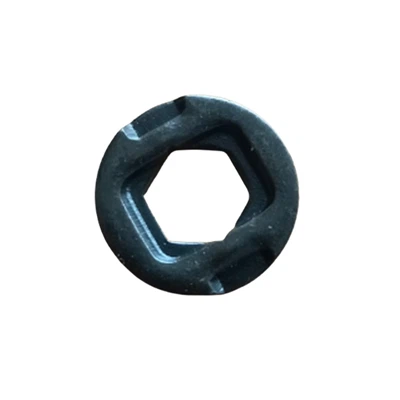
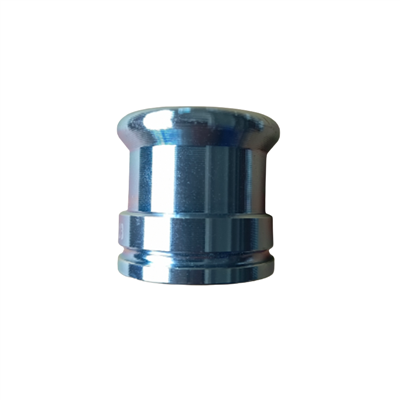
Inspect the brake caliper and the pneumatic actuator for any signs of damage or mechanical issues. A stuck caliper or a malfunctioning actuator can cause the brake to take longer to release. If you notice any problems, repair or replace the affected components. You might need parts like the Brake Caliper Rotating Ring or the Air Disc Brake Gland Cap to fix these issues.
Step 4: Adjust the Clearance
The clearance between the brake pads and the disc is another important factor that affects the release time. You can adjust the clearance by using the adjustment screws on the brake caliper. Make sure to follow the manufacturer's instructions when adjusting the clearance.
Step 5: Test the Brake
After making the adjustments, test the brake to see if the release time has improved. You can do this by applying and releasing the brake several times and measuring the release time. If the release time is still not satisfactory, you may need to repeat the adjustment process or seek further assistance.
Troubleshooting Common Issues
Even after following the above steps, you may still encounter some issues with the release time. Here are some common problems and their solutions:
- Brake Drag: If the brake is dragging, it could be due to a stuck caliper, worn brake pads, or incorrect clearance. Check the caliper and the brake pads, and adjust the clearance as needed.
- Slow Release: A slow release can be caused by low air pressure, a malfunctioning actuator, or a problem with the air lines. Check the air pressure, the actuator, and the air lines for any issues.
Importance of Proper Adjustment
Properly adjusting the release time of a pneumatic disc brake is essential for several reasons. Firstly, it ensures the safety of the equipment and the operators. A brake that doesn't release properly can cause unexpected stops or slowdowns, which can lead to accidents.
Secondly, it improves the efficiency of the braking system. A brake with a proper release time doesn't drag, which means less wear and tear on the brake pads and the disc. This can save you money on maintenance and replacement costs in the long run.
Contact Us for More Information
If you're having trouble adjusting the release time of your pneumatic disc brake or if you're looking for high - quality pneumatic disc brake components, don't hesitate to contact us. We're here to help you find the right solutions for your braking needs. Whether you need new brake pads, calipers, or other related parts, we've got you covered.
References
- Pneumatic Disc Brake Manufacturer's Manuals
- Industry Best Practices for Pneumatic Disc Brake Maintenance