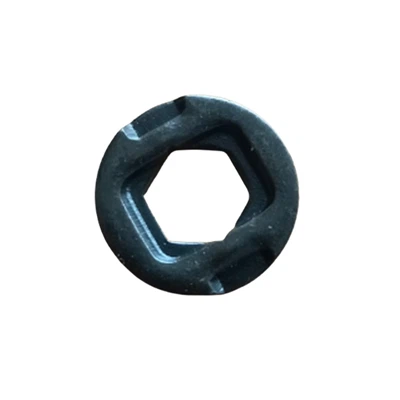
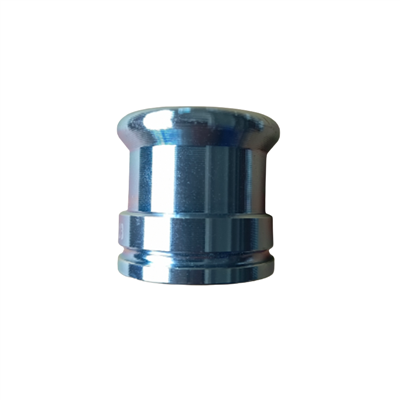
Yo, folks! As a supplier of Carbon Steel Ferrule, I'm stoked to share with you all the cool things these little guys can do in the packaging industry. Carbon steel ferrules are like the unsung heroes of packaging. They might not be as flashy as some high - tech polymers or fancy metal alloys, but they're tough, reliable, and have a whole bunch of important uses.
Let's start with the basics. What the heck is a carbon steel ferrule anyway? Well, it's a short, tubular piece made from carbon steel. Carbon steel is a type of steel that contains carbon as the main alloying element, and it's known for its strength, durability, and relative affordability. These ferrules come in different sizes and shapes, which makes them super versatile for various packaging applications.
Sealing and Leak Prevention
One of the most common uses of carbon steel ferrules in the packaging industry is for sealing. Think about those big industrial containers or drums that stores liquids or powders. You don't want any of that stuff leaking out, right? Carbon steel ferrules are often used to create a tight seal between different parts of the packaging.
For example, when you have a pipe or a fitting on a liquid storage tank, a carbon steel ferrule can be used to secure a gasket in place. The ferrule is tightened around the joint, and it compresses the gasket, creating a watertight or airtight seal. This is crucial for preventing leaks, especially in industries where the contents are hazardous or valuable. You can check out more about our Carbon Steel Ferrule on our website to see how they can help you with sealing solutions.
Bundling and Strengthening
Ever seen a bunch of wires or cables bundled together? Carbon steel ferrules are great for that too. In the packaging of electrical components or wiring systems, ferrules are used to group and secure multiple wires. They not only keep the wires organized but also add strength to the bundle.
Let's say you're shipping a box full of electronic cables. Using carbon steel ferrules to bundle them up makes the packaging more compact and protects the cables from getting tangled or damaged during transit. The ferrules act as a sort of armor, holding the wires in place and preventing them from fraying.
Attachment and Connection
In the packaging of larger items, carbon steel ferrules are used for attachment purposes. For instance, in the construction or furniture packaging industry, ferrules can be used to connect different parts of the product. A piece of machinery might have components that need to be securely attached, and carbon steel ferrules provide a reliable way to do that.
They can be used with bolts or screws to fasten two parts together. The strength of the carbon steel ensures that the connection is strong and can withstand the rigors of shipping and handling. It's like having a super - strong glue, but in a metal form!
Protection
Carbon steel ferrules also offer protection in the packaging industry. When packaging sharp or abrasive items, ferrules can be placed at the ends to prevent damage to the packaging material. Imagine you're packing a box of metal rods. The ends of these rods can be quite sharp and could easily tear through cardboard or plastic packaging. By putting a carbon steel ferrule on the ends, you create a buffer zone that protects the packaging and also makes it safer to handle.
Comparison with Other Materials
Now, you might be wondering, "Why carbon steel? Why not stainless steel or some other material?" Well, let's talk about that for a bit. Stainless steel is great, and we also offer Stainless Steel Ferrule. It has excellent corrosion resistance, which is a big plus in some environments. However, carbon steel ferrules are often more affordable, which is a huge factor in the packaging industry where cost - effectiveness is key.
Carbon steel also has good strength characteristics. It can handle a fair amount of stress and pressure, which is necessary for most packaging applications. In terms of maintenance, while carbon steel can rust if not properly protected, a simple coating or galvanizing can prevent that, and it still offers great value for money.
Specialized Applications in Packaging
In some specialized packaging industries, carbon steel ferrules are used in unique ways. For example, in the food packaging industry, they might be used in the machinery that fills and seals food containers. The ferrules can be part of the connectors or hinges in the equipment, ensuring smooth operation and long - term durability.
In the pharmaceutical packaging sector, precision is key. Carbon steel ferrules can be machined to very tight tolerances, which is necessary for the accurate dosing and packaging of medications. They're reliable and can be easily cleaned and sterilized, making them suitable for this high - hygiene industry.
Our Carbon Steel Ferrule Offerings
As a supplier, we offer a wide range of carbon steel ferrules to meet different packaging needs. We have different sizes, from small ferrules for delicate electronic components to large ones for heavy - duty industrial packaging. Our ferrules are made from high - quality carbon steel, and we use advanced manufacturing processes to ensure consistent quality.


We also provide customization services. If you have a specific packaging requirement that can't be met with our standard products, just let us know. We can work with you to design and manufacture a custom - made carbon steel ferrule that fits your exact needs.
Time to Get in Touch
If you're in the packaging industry and looking for reliable, cost - effective carbon steel ferrules, we're here to help. Our team of experts can answer all your questions, provide samples, and work with you to find the best solutions for your packaging challenges.
Don't hesitate to reach out and start a conversation about how our carbon steel ferrules can improve your packaging processes. Whether you need a small quantity for a prototype or a large - scale order for mass production, we're ready to serve you.
References
- "Steel Alloys in Industrial Applications" by John Metalworker
- "Packaging Technology Handbook" by Emily Packer