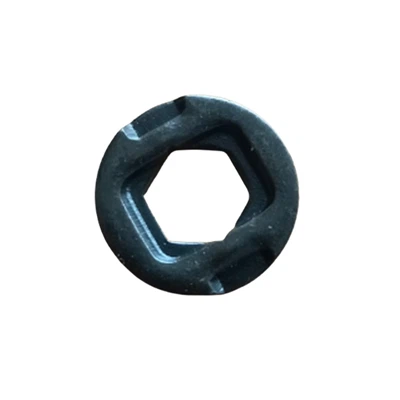
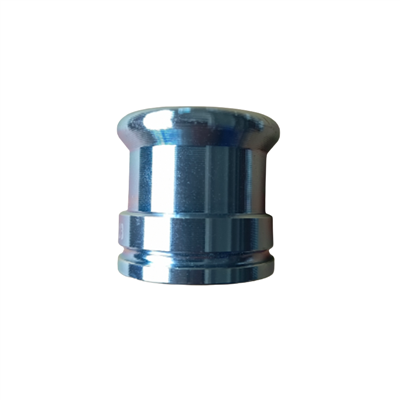
The hardness of carbon steel ferrule is a crucial factor that influences its performance and application in various industries. As a dedicated supplier of Carbon Steel Ferrule, I am excited to delve into this topic and share valuable insights.
Understanding Carbon Steel Ferrule
Carbon steel ferrules are essential components in many mechanical and piping systems. They are used to secure connections, provide a tight seal, and ensure the integrity of the overall system. Carbon steel, as the base material for these ferrules, offers a range of properties that make it a popular choice. It contains carbon as the main alloying element, along with small amounts of other elements such as manganese, silicon, and sulfur. The carbon content in carbon steel can vary, which significantly affects its hardness and other mechanical properties.
Factors Affecting the Hardness of Carbon Steel Ferrule
- Carbon Content: The carbon content is one of the most significant factors influencing the hardness of carbon steel ferrules. Generally, as the carbon content increases, the hardness of the steel also increases. This is because carbon atoms can form carbides, which are hard and brittle compounds. In low - carbon steel (carbon content less than 0.3%), the ferrite phase is dominant, resulting in relatively low hardness and high ductility. Medium - carbon steel (carbon content between 0.3% and 0.6%) has a balance between hardness and ductility, while high - carbon steel (carbon content greater than 0.6%) is much harder but less ductile.
- Heat Treatment: Heat treatment processes such as quenching, tempering, and annealing have a profound impact on the hardness of carbon steel ferrules. Quenching involves rapidly cooling the steel from a high temperature, which causes the formation of a hard martensite structure. However, martensite is very brittle, so tempering is often carried out after quenching. Tempering reduces the brittleness of the quenched steel by allowing some of the martensite to transform into a more ductile structure while still maintaining a relatively high hardness. Annealing, on the other hand, is used to soften the steel, relieve internal stresses, and improve its machinability.
- Alloying Elements: In addition to carbon, other alloying elements can be added to carbon steel to enhance its hardness and other properties. For example, manganese can increase the hardenability of the steel, allowing it to achieve a higher hardness during heat treatment. Chromium can improve the corrosion resistance and hardness of the steel, while nickel can enhance its toughness and ductility.
Measuring the Hardness of Carbon Steel Ferrule
There are several methods to measure the hardness of carbon steel ferrules. The most common methods include the Rockwell hardness test, Brinell hardness test, and Vickers hardness test.


- Rockwell Hardness Test: This test measures the depth of penetration of an indenter into the material under a specific load. The Rockwell hardness scale has different scales (e.g., HRA, HRB, HRC), which are used depending on the hardness of the material. For carbon steel ferrules, the HRC scale is often used for harder materials.
- Brinell Hardness Test: In this test, a hardened steel ball is pressed into the material under a specific load, and the diameter of the indentation is measured. The Brinell hardness number (BHN) is calculated based on the load and the diameter of the indentation. This method is suitable for measuring the hardness of relatively large and thick specimens.
- Vickers Hardness Test: The Vickers test uses a diamond pyramid indenter to make a small indentation in the material. The diagonal length of the indentation is measured, and the Vickers hardness number (HV) is calculated. This method is very accurate and can be used for measuring the hardness of small or thin specimens.
Importance of Hardness in Carbon Steel Ferrule Applications
- Strength and Durability: A high - hardness carbon steel ferrule can withstand high pressures and forces without deforming or breaking. This is crucial in applications where the ferrules are used in high - pressure piping systems or mechanical connections. For example, in oil and gas pipelines, carbon steel ferrules with appropriate hardness can ensure the long - term integrity of the pipeline connections, preventing leaks and failures.
- Wear Resistance: Hardness also contributes to the wear resistance of carbon steel ferrules. In applications where the ferrules are in contact with moving parts or abrasive materials, a hard ferrule can resist wear and maintain its shape and performance over time. This is important in industries such as manufacturing, where ferrules are used in machinery and equipment.
- Sealing Performance: The hardness of the carbon steel ferrule affects its ability to form a tight seal. A hard ferrule can deform slightly under pressure to create a better seal between the components, reducing the risk of leakage. This is especially important in applications where a leak - proof connection is required, such as in chemical processing plants.
Comparison with Stainless Steel Ferrule and Stainless Steel Cone
Stainless Steel Ferrule and Stainless Steel Cone are also commonly used in similar applications. Stainless steel is known for its corrosion resistance, while carbon steel is valued for its high strength and hardness. In some applications where corrosion resistance is not a major concern, carbon steel ferrules may be a more cost - effective and performance - oriented choice. However, in environments with high corrosion risks, stainless steel ferrules and cones may be preferred.
Our Offerings as a Carbon Steel Ferrule Supplier
As a supplier of carbon steel ferrules, we offer a wide range of products with different hardness levels to meet the diverse needs of our customers. We have strict quality control measures in place to ensure that our ferrules meet the highest standards. Our team of experts can provide technical support and advice on the selection of the appropriate hardness and material for your specific application. Whether you need ferrules for high - pressure piping, machinery, or other industrial applications, we have the right solution for you.
Contact Us for Procurement
If you are interested in purchasing carbon steel ferrules or have any questions about their hardness and application, we encourage you to contact us. Our sales team is ready to assist you with your procurement needs and provide you with detailed product information and quotes. We look forward to establishing a long - term partnership with you.
References
- ASM Handbook, Volume 1: Properties and Selection: Irons, Steels, and High - Performance Alloys. ASM International.
- Callister, W. D., & Rethwisch, D. G. (2017). Materials Science and Engineering: An Introduction. Wiley.
- Metals Handbook Desk Edition, 2nd Edition. ASM International.