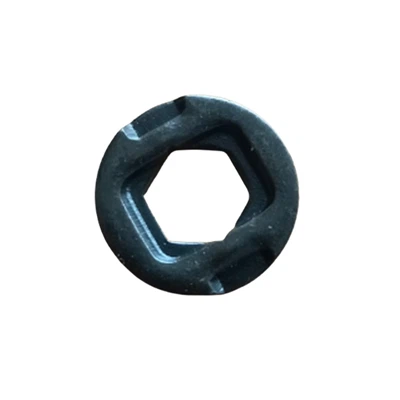
Stop plates, also known as stop blocks or limit stops, are essential components in various industrial and mechanical applications. As a stop plate supplier, I often receive inquiries about where these stop plates are usually installed. In this blog post, I will explore the common installation locations and applications of stop plates to provide a comprehensive understanding of their usage.
Industrial Machinery
One of the most common places to find stop plates is in industrial machinery. In manufacturing plants, stop plates are used to control the movement of components within a machine. For example, in a conveyor system, stop plates can be installed at the end of the conveyor to prevent items from falling off. They act as a physical barrier, ensuring that products are safely contained within the system.
In robotic arms, stop plates are used to define the limits of movement. This is crucial for maintaining precision and safety. By installing stop plates at specific points, the robot's range of motion can be restricted, preventing it from colliding with other objects or causing damage to itself. The Plummer Block Locating Ring can be used in conjunction with stop plates in some industrial machinery applications to ensure proper alignment and stability.
Automotive Industry
In the automotive industry, stop plates play a vital role in various systems. In the braking system, stop plates are used to limit the movement of brake components. For example, the Air Disc Brake Pressure Arm may have stop plates installed to ensure that the pressure arm operates within a specific range. This helps to maintain consistent braking performance and prevent over - travel of the brake components.
Stop plates are also used in the suspension system. They can be installed to limit the movement of the suspension arms, preventing excessive movement that could lead to damage or instability. Additionally, in the steering system, stop plates can be used to define the maximum steering angle, ensuring safe and predictable handling of the vehicle.
Construction Equipment
Construction equipment such as cranes, excavators, and forklifts also rely on stop plates. In cranes, stop plates are installed at the end of the boom to prevent over - extension. This is crucial for safety, as over - extending the boom can lead to structural failure and accidents.


For excavators, stop plates are used to limit the movement of the digging arm. This helps to control the depth and range of excavation, ensuring that the machine operates within its designed capacity. Forklifts use stop plates to control the height of the forks. By installing stop plates at the maximum height, operators are prevented from raising the forks too high, which could cause the load to become unstable or the forklift to tip over.
Material Handling Systems
In material handling systems, stop plates are used to manage the flow of materials. In automated storage and retrieval systems (AS/RS), stop plates are installed at the end of the storage aisles to prevent the storage units from moving beyond their designated positions. This ensures that the system operates efficiently and safely.
Sorting systems also use stop plates to direct the flow of items. By strategically placing stop plates, items can be diverted to different conveyor lines or storage areas. The Automotive Plug Pins may be used in some material handling systems to connect and secure components, and stop plates can work in tandem with these pins to ensure proper operation.
Elevators and Lifts
In elevators and lifts, stop plates are installed at the top and bottom of the shaft. These stop plates act as safety devices, preventing the elevator car from over - traveling. In the event of a malfunction in the control system, the stop plates will stop the elevator car before it reaches the end of the shaft, protecting passengers and equipment.
Installation Considerations
When installing stop plates, several factors need to be considered. First, the material of the stop plate is important. It should be strong enough to withstand the forces applied to it. Common materials include steel, aluminum, and plastic, each with its own advantages and disadvantages.
The location of the stop plate is also crucial. It should be installed in a position where it can effectively limit the movement of the component. This may require careful measurement and alignment to ensure that the stop plate functions as intended.
In addition, the method of installation is important. Stop plates can be bolted, welded, or glued in place, depending on the application and the material of the surface where they are being installed.
Conclusion
Stop plates are versatile components that are used in a wide range of industries and applications. From industrial machinery to automotive systems, construction equipment, material handling systems, and elevators, stop plates play a crucial role in ensuring safety, precision, and efficiency.
As a stop plate supplier, I am committed to providing high - quality stop plates that meet the diverse needs of our customers. If you are in need of stop plates for your specific application, I encourage you to contact us for a detailed discussion. We can help you select the right stop plates and provide guidance on installation to ensure optimal performance.
References
- Machinery Handbook, 31st Edition
- Automotive Engineering Handbook
- Construction Equipment Manuals