Pneumatic disc brakes are essential components in various industrial and automotive applications, offering reliable and efficient braking performance. When it comes to pneumatic disc brakes, there are two main types: single - piston and multi - piston designs. As a pneumatic disc brake supplier, I am often asked about the differences between these two types. In this blog post, I will delve into the details of single - piston and multi - piston pneumatic disc brakes, exploring their characteristics, advantages, and disadvantages.
Single - Piston Pneumatic Disc Brakes
Single - piston pneumatic disc brakes are a straightforward and commonly used design. As the name suggests, these brakes feature a single piston that applies pressure to the brake pads, which in turn clamp onto the brake disc to create friction and slow down or stop the rotating component.
Design and Working Principle
The single - piston design is relatively simple. The piston is housed within a caliper, and when air pressure is applied, the piston moves forward, pushing the brake pads against the disc. This design is often used in applications where space is limited and where a cost - effective braking solution is required.

Advantages
- Cost - Effective: Single - piston brakes are generally less expensive to manufacture and purchase compared to multi - piston brakes. This makes them an attractive option for budget - conscious customers or applications where cost is a major factor.
- Simplicity: The simple design of single - piston brakes means they are easier to install, maintain, and repair. There are fewer components involved, which reduces the likelihood of mechanical failures and makes troubleshooting easier.
- Compact Size: Single - piston brakes are typically more compact than multi - piston brakes, making them suitable for applications with limited space, such as small vehicles or machinery.
Disadvantages
- Limited Braking Force: Since there is only one piston applying pressure, single - piston brakes may not be able to generate as much braking force as multi - piston brakes. This can be a limitation in applications where high - performance braking is required, such as heavy - duty vehicles or high - speed machinery.
- Uneven Pad Wear: The single - piston design can sometimes result in uneven wear of the brake pads. This is because the pressure is applied from one side, which can cause the pads to wear more on one side than the other.
Multi - Piston Pneumatic Disc Brakes
Multi - piston pneumatic disc brakes, on the other hand, feature multiple pistons within the caliper. These pistons work together to apply pressure to the brake pads, providing a more even and powerful braking force.
Design and Working Principle
In a multi - piston brake, the pistons are arranged in a specific pattern within the caliper. When air pressure is applied, all the pistons move simultaneously, pushing the brake pads against the disc. This design allows for a more balanced and consistent application of force, resulting in better braking performance.
Advantages
- High Braking Force: The multiple pistons in a multi - piston brake can generate a significantly higher braking force compared to a single - piston brake. This makes them ideal for applications where high - performance braking is required, such as heavy - duty trucks, racing cars, and large industrial machinery.
- Even Pad Wear: The multiple pistons distribute the pressure evenly across the brake pads, reducing the likelihood of uneven wear. This not only extends the lifespan of the brake pads but also ensures consistent braking performance over time.
- Improved Heat Dissipation: Multi - piston brakes are often designed with better heat dissipation capabilities. The increased surface area of the pistons and caliper allows for more efficient heat transfer, which helps to prevent brake fade and maintain braking performance under high - stress conditions.
Disadvantages
- Higher Cost: Multi - piston brakes are generally more expensive to manufacture and purchase than single - piston brakes. The additional pistons and more complex design contribute to the higher cost.
- Complexity: The more complex design of multi - piston brakes means they are more difficult to install, maintain, and repair. There are more components involved, which increases the likelihood of mechanical failures and makes troubleshooting more challenging.
- Larger Size: Multi - piston brakes are typically larger and heavier than single - piston brakes, which can be a limitation in applications where space is limited.
Applications
The choice between single - piston and multi - piston pneumatic disc brakes depends on the specific application requirements.
Single - Piston Applications
- Light - Duty Vehicles: Single - piston brakes are commonly used in light - duty vehicles, such as motorcycles, small cars, and ATVs. These vehicles do not require high - performance braking, and the cost - effective and compact design of single - piston brakes makes them a suitable choice.
- Industrial Equipment: Single - piston brakes are also used in various industrial equipment, such as conveyor systems, small machinery, and material handling equipment. These applications typically have lower braking requirements and can benefit from the simplicity and cost - effectiveness of single - piston brakes.
Multi - Piston Applications
- Heavy - Duty Vehicles: Multi - piston brakes are essential in heavy - duty vehicles, such as trucks, buses, and trailers. These vehicles require high - performance braking to ensure safety and reliability, and the high braking force and even pad wear of multi - piston brakes make them the ideal choice.
- High - Performance Vehicles: Multi - piston brakes are also used in high - performance vehicles, such as sports cars and racing cars. These vehicles require maximum braking performance to handle high speeds and sharp turns, and the superior braking capabilities of multi - piston brakes are crucial.
- Industrial Machinery: In large industrial machinery, such as cranes, excavators, and presses, multi - piston brakes are used to provide reliable and powerful braking. The high braking force and heat dissipation capabilities of multi - piston brakes are essential in these applications.
Components of Pneumatic Disc Brakes
Whether you choose a single - piston or multi - piston pneumatic disc brake, there are several key components that play important roles in the braking system.
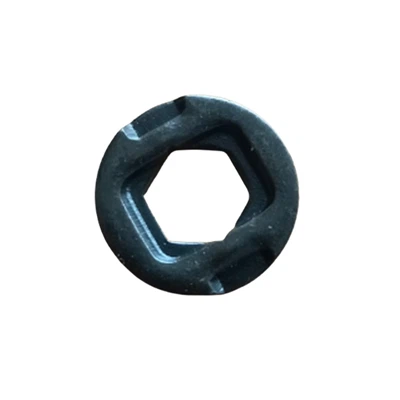
- Air Disc Brake Bottom Cover: This component provides protection for the internal parts of the brake caliper, preventing dirt, debris, and moisture from entering and causing damage.
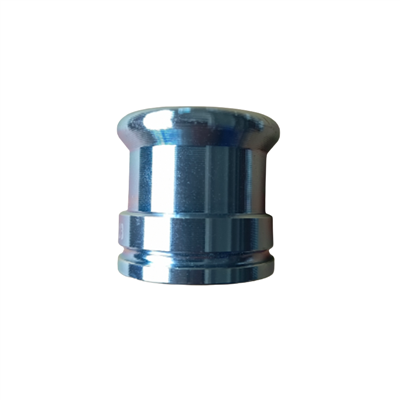
- Air Disc Brake Pressure Plate: The pressure plate is responsible for transmitting the force from the piston to the brake pads. It ensures that the brake pads are pressed evenly against the disc, providing consistent braking performance.
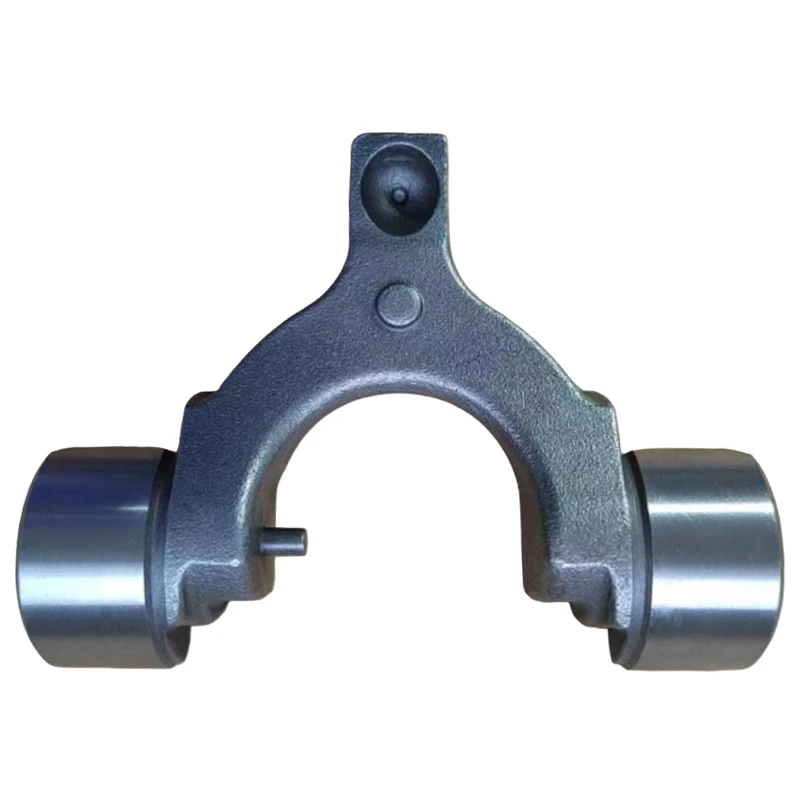
- Air Disc Brake Pressure Arm: The pressure arm is used to apply the air pressure to the piston, causing it to move and engage the brake pads. It is an important part of the pneumatic system that controls the braking action.
Conclusion
In conclusion, single - piston and multi - piston pneumatic disc brakes each have their own unique characteristics, advantages, and disadvantages. The choice between the two depends on the specific application requirements, such as the amount of braking force needed, the available space, and the budget. As a pneumatic disc brake supplier, I can provide you with the expertise and products to meet your specific needs. Whether you need a cost - effective single - piston brake for a light - duty application or a high - performance multi - piston brake for a heavy - duty or high - speed application, I am here to help.
If you are interested in purchasing pneumatic disc brakes or have any questions about our products, please feel free to contact us for a detailed discussion and to explore the best solutions for your specific requirements.
References
- Automotive Brake Systems Handbook, by XYZ Publishing
- Industrial Pneumatic Equipment Manual, by ABC Press
- Brake Technology and Design, by DEF Publications