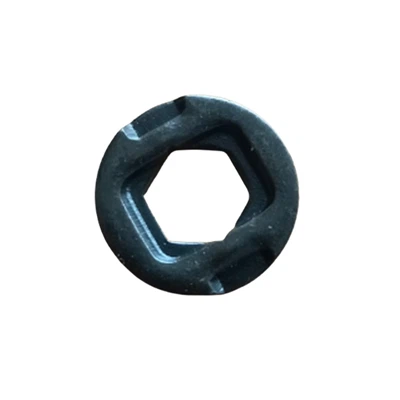
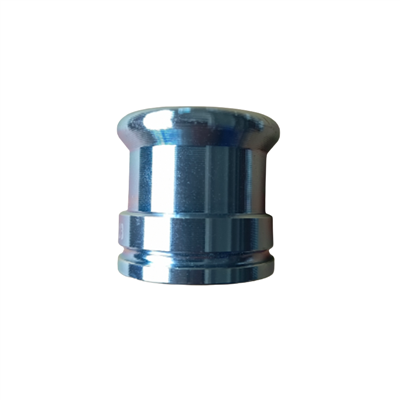
When it comes to industrial applications, steel centering cones play a crucial role in ensuring precise alignment and stability. As a supplier of steel centering cones, I often receive inquiries about the maximum load these components can bear. In this blog post, I will delve into the factors that determine the maximum load capacity of a steel centering cone and provide some insights into how to select the right cone for your specific needs.
Understanding the Basics of Steel Centering Cones
Steel centering cones are typically used in various industries, including manufacturing, construction, and automotive. They are designed to provide a stable and accurate centering mechanism for different types of equipment and machinery. The cone shape allows for easy alignment and positioning, ensuring that the components are properly centered and secured.


The load capacity of a steel centering cone depends on several factors, including the material used, the design of the cone, and the application in which it is used. Let's take a closer look at each of these factors.
Material Selection
The material used to manufacture the steel centering cone is one of the most important factors that determine its load capacity. Different types of steel have different mechanical properties, such as strength, hardness, and ductility. The most common materials used for steel centering cones are carbon steel and stainless steel.
- Carbon Steel Ferrule: Carbon steel is a popular choice for steel centering cones due to its high strength and relatively low cost. Carbon Steel Ferrule is known for its excellent mechanical properties, making it suitable for applications that require high load-bearing capacity. Carbon steel cones can withstand significant loads and are often used in heavy-duty industrial applications.
- Carbon Steel Cone: Carbon Steel Cone is another option for steel centering cones. It offers similar properties to carbon steel ferrules but may have a different shape or design. Carbon steel cones are also widely used in various industries and can handle substantial loads.
- Stainless Steel Cone: Stainless steel is a corrosion-resistant material that is often used in applications where the cone will be exposed to harsh environments or chemicals. Stainless Steel Cone offers good strength and durability, making it suitable for applications that require both load-bearing capacity and corrosion resistance.
Design Considerations
The design of the steel centering cone also plays a significant role in determining its load capacity. The shape, size, and thickness of the cone can all affect its ability to withstand loads. Here are some design considerations to keep in mind:
- Cone Angle: The cone angle is the angle between the sides of the cone. A smaller cone angle generally results in a higher load capacity, as it provides a more stable and secure centering mechanism. However, a smaller cone angle may also require more precise alignment.
- Wall Thickness: The wall thickness of the cone affects its strength and durability. A thicker wall can withstand higher loads, but it may also increase the weight of the cone. It is important to find the right balance between wall thickness and load capacity.
- Base Diameter: The base diameter of the cone determines the contact area with the surface on which it is placed. A larger base diameter provides a more stable base and can distribute the load more evenly, resulting in a higher load capacity.
Application Requirements
The application in which the steel centering cone is used also affects its load capacity. Different applications have different requirements in terms of load, vibration, and environmental conditions. Here are some factors to consider when selecting a steel centering cone for a specific application:
- Load Type: The type of load that the cone will be subjected to is an important consideration. There are two main types of loads: static loads and dynamic loads. Static loads are constant and do not change over time, while dynamic loads are variable and can change in magnitude and direction. Dynamic loads require a cone with higher strength and fatigue resistance.
- Vibration and Shock: In applications where there is significant vibration or shock, the cone needs to be able to withstand these forces without losing its alignment or integrity. A cone with a higher load capacity and better shock absorption properties is recommended for such applications.
- Environmental Conditions: The environmental conditions in which the cone will be used can also affect its performance. For example, if the cone will be exposed to high temperatures, corrosive chemicals, or abrasive materials, it needs to be made of a material that can withstand these conditions.
Calculating the Maximum Load Capacity
Calculating the maximum load capacity of a steel centering cone is a complex process that requires knowledge of the material properties, design parameters, and application requirements. In general, the load capacity of a cone can be determined by considering the following factors:
- Material Strength: The strength of the material used to manufacture the cone is a key factor in determining its load capacity. The ultimate tensile strength (UTS) and yield strength of the material are important properties to consider.
- Cone Geometry: The shape and size of the cone, including the cone angle, wall thickness, and base diameter, all affect its load capacity. These factors can be used to calculate the stress distribution within the cone and determine the maximum load it can withstand.
- Safety Factor: A safety factor is typically applied to the calculated load capacity to ensure that the cone can withstand unexpected loads or variations in operating conditions. The safety factor is usually determined based on the application requirements and industry standards.
Selecting the Right Steel Centering Cone
When selecting a steel centering cone for your application, it is important to consider the factors discussed above. Here are some steps to help you choose the right cone:
- Determine the Load Requirements: Identify the maximum load that the cone will need to bear in your application. Consider both static and dynamic loads, as well as any additional factors such as vibration and shock.
- Choose the Right Material: Based on the load requirements and environmental conditions, select the appropriate material for the cone. Carbon steel is a good choice for most applications, but stainless steel may be required for applications where corrosion resistance is a concern.
- Consider the Design: Pay attention to the cone angle, wall thickness, and base diameter to ensure that the cone can provide the necessary stability and load capacity.
- Consult with a Supplier: If you are unsure about which cone to choose, consult with a reputable supplier. They can provide you with expert advice and help you select the right cone for your specific needs.
Conclusion
The maximum load that a steel centering cone can bear depends on several factors, including the material used, the design of the cone, and the application in which it is used. By understanding these factors and following the guidelines outlined in this blog post, you can select the right steel centering cone for your application and ensure that it can withstand the required loads.
If you are in need of high-quality steel centering cones, please feel free to contact us. Our team of experts can provide you with detailed information about our products and help you find the right solution for your specific needs. We look forward to working with you and providing you with the best possible service.
References
- ASME Boiler and Pressure Vessel Code
- ASTM International Standards
- Machinery's Handbook